

Private does not mean unregistered
Using a separate business number and choosing whether your personal number appears to a recipient are legitimate privacy goals. Withholding caller ID is different from pretending to be another person or claiming that a number has no identifiable subscriber.
For example, UK regulator Ofcom recognises individuals’ right to withhold caller ID for privacy. It also explains that identity information is exchanged between networks and must be carried correctly. A number being hidden on someone’s screen does not mean that the network has no information about the call.
Ofcom: caller identity and privacyRegistration depends on the country and number
There is no single worldwide registration checklist for every phone number. The country, number type, intended use and operator all matter. Check the identity, address and business requirements before committing, especially when you want a number in a country where you do not live.
France illustrates why this matters. ARCEP describes subscriber-identity responsibilities and checks for residence or qualifying stable ties for relevant fixed and mobile numbers. A virtual number or a hosted SIM does not remove the applicable checks. Confirm eligibility for the exact service rather than relying on an “anonymous” marketing label.
ARCEP: number allocation and end-user requirementsWhy calls or service can be disrupted
Incomplete required registration can put activation or continued service at risk. Caller-number authentication is a separate issue: even a number you legitimately use must follow the destination network’s rules. Completing an identity check does not guarantee that every call will connect.
ARCEP’s January 2026 notice describes obligations to authenticate caller numbers and interrupt calls that are not properly authenticated. It also states that French mobile caller IDs on incoming international calls must be hidden when they cannot be authenticated. These measures address network authentication, which is different from a caller choosing privacy.
ARCEP: caller-number authenticationChoose a number you can keep and manage
Before choosing a service, check who has the right to use the number, how account recovery works, the renewal conditions and what happens if payments or required documents are missing. Ask about number retention and porting where available.
For a temporary or shared-number offer, check who else can access messages and whether the number remains under your control. Confirm incoming calls, SMS and any verification use separately. Bank codes, OTP delivery and acceptance by third-party platforms depend on the number, operator and sender; they are not guaranteed.
Your 007VoIP options

A local or real mobile number
Choose a virtual landline or real mobile number for your business or personal use, subject to the destination’s registration and service conditions. Check the country requirements and supported calls or SMS before ordering.
Compare phone numbers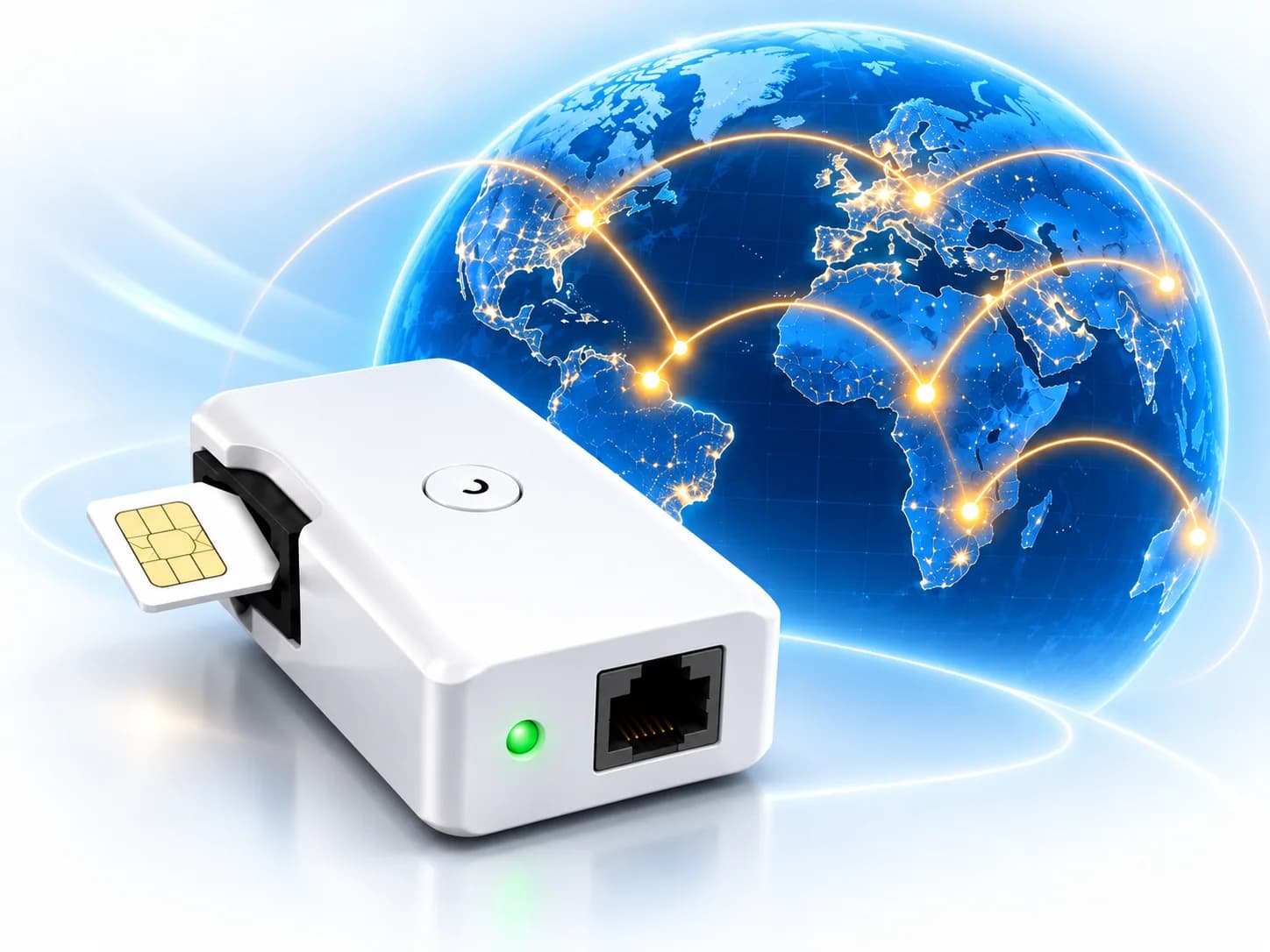
SIM Hosting for a compatible line
Access your existing compatible physical SIM, or ask about a new SIM, through an agreed hosting setup. Keep the mobile plan active and confirm the operator, hosting location and required services. SIM Hosting does not bypass registration rules.
Discuss SIM HostingQuestions about anonymous numbers
Is caller-ID privacy illegal?
Privacy and unlawful impersonation are different issues. Withholding caller ID can be legitimate, but the applicable network and country rules still apply.
Does a virtual number avoid verification?
No. A virtual number or hosted SIM must meet the registration requirements that apply to that particular service.